
The next meaningful breach will probably be boring; and that’s exactly the problem
Picture this. A terminal that looks exactly like your lead engineer’s. Same aliases. Same cloud profiles. Same CI tokens. Nothing flashy. No exploit circus. Just small, plausible commands your systems gladly run. That is not a rare edge case. That is the most likely breach you are not prepared to see.
If your security program still resembles what it was a year ago, you are already behind. The hard truth is simple. We built developer tools to be powerful, flexible, and fast. Those virtues now double as an attacker’s dream. The permission paths exist. The credentials exist. The automation exists. Change the intent, and the tool becomes an operator.
How the attack actually unfolds
Developer machines are goldmines. Laptops hold keys, tokens, SSH agents, cached profiles, and shortcuts that bypass bureaucracy. High trust. Low segmentation. Land there, and you are in the bloodstream.
Code generation models do the heavy lifting. Any model that can write deploy scripts or infra logic can sketch the abuse path. It does not need to be perfect. Iteration in a dev sandbox closes the gap quickly.
Automation is the foot soldier. CI jobs, GitHub Actions, scheduled workflows, and deployment hooks run without humans watching. Coax them once and you get repeatable, scalable execution.
Cloud APIs are highways. With a service principal or leaked token, an adversary can spin up tiny compute, query logs, pivot accounts, and exfiltrate data over normal API traffic. It blends right in.
Package repositories provide cover. Malicious code inside a trusted dependency or a compromised pipeline spreads with the next routine update. It looks like progress. It is an infection.
The human tool loop masks intent. Small commits. Minor infra tweaks. Dependency bumps. Business as usual. Exactly where hostile changes hide.
Here is the kicker. None of this requires a cinematic zero day. You combine low-friction access with everyday tooling and let time do the work. Iterate. Learn. Lateral. Blend. The breach is not loud. It is patient and plausible.
From operator to malware economy
This is not just an engineering story. It scales into commodity malware. The same playbook that nudges pipelines can seed botnets, poison supply chains, and turn consumer apps into data harvesters. Instead of smash-and-grab ransomware, you get long-running implants that leak credentials, recruit other machines through legitimate updates, and persist as part of routine maintenance. It looks like a well-run business. It is just run by an adversary.
It does not stop at developers
Developer tooling is the gateway. The blast radius reaches IoT, edge deployments backed by CI, managed consumer apps, and even OT. A harmless-looking library update, a tiny telemetry reroute, a 3 a.m. scheduled workflow. All plausible. All exploitable. Once an attacker stops chasing exploits and starts using trusted channels with patience, the infection vector becomes an integral part of everyday life. Phones. Routers. Cameras. POS terminals. Anything that accepts code or configuration.
If you want to be unsettled, imagine an adversary who can read your repos, reason about your CI, sniff a token, and quietly nudge actions through the exact tools your team uses every day. No ransom note. No alarms. Just a strategy executed through automation, you celebrate for speed.
Why last year’s playbook fails
- You protect production more than the places that deploy production. Developer endpoints are treated like offices, not vaults.
- You hunt for loud indicators and miss plausible ones. Dashboards spot spikes. This threat hides in normal variance.
- You rely on static trust. Long-lived tokens and wide-scoped roles are an attacker subsidy.
- You review code, but not automation behavior. Workflows, runners, publish steps, and IaC drift escape scrutiny.
- You lack code to cloud traceability. If you cannot map a change from repo to runtime and back, you cannot see a small hostile tweak that ships everywhere.
What must change now
Keep this list. Use it to force decisions.
Treat developer endpoints like production. Enforce least privilege on dev machines. Segment networks. Require hardware-backed MFA for admin operations.
Outcome: landing on a laptop no longer equals cloud reach.
Kill long-lived secrets. Move to short-lived, bound credentials and workload identities. Block token sprawl into files or agents.
Outcome: theft decays before it becomes lateral movement.
Put policy in front of automation. Require policy-as-code gates for CI jobs that publish artifacts, change infrastructure, or access secrets. Protected branches cannot run unreviewed workflows.
Outcome: Automation cannot be socially engineered to perform unsafe actions.
Verify everything you ship. Enforce signed builds, provenance attestations, and reproducible pipelines. Validate SBOMs and a pipeline bill of materials before deployment.
Outcome: compromised steps lose the ability to smuggle code.
Monitor the toolchain, not just the app. Log developer activity, runner identities, workflow triggers, package publish events, and cloud API calls. Look for timing anomalies and odd relationships, not just counts.
Outcome: you detect the story, not the spike.
Put dependencies on probation. Apply provenance checks, maintain allowlists for critical packages, and quarantine surprise updates.
Outcome: routine updates no longer bypass scrutiny.
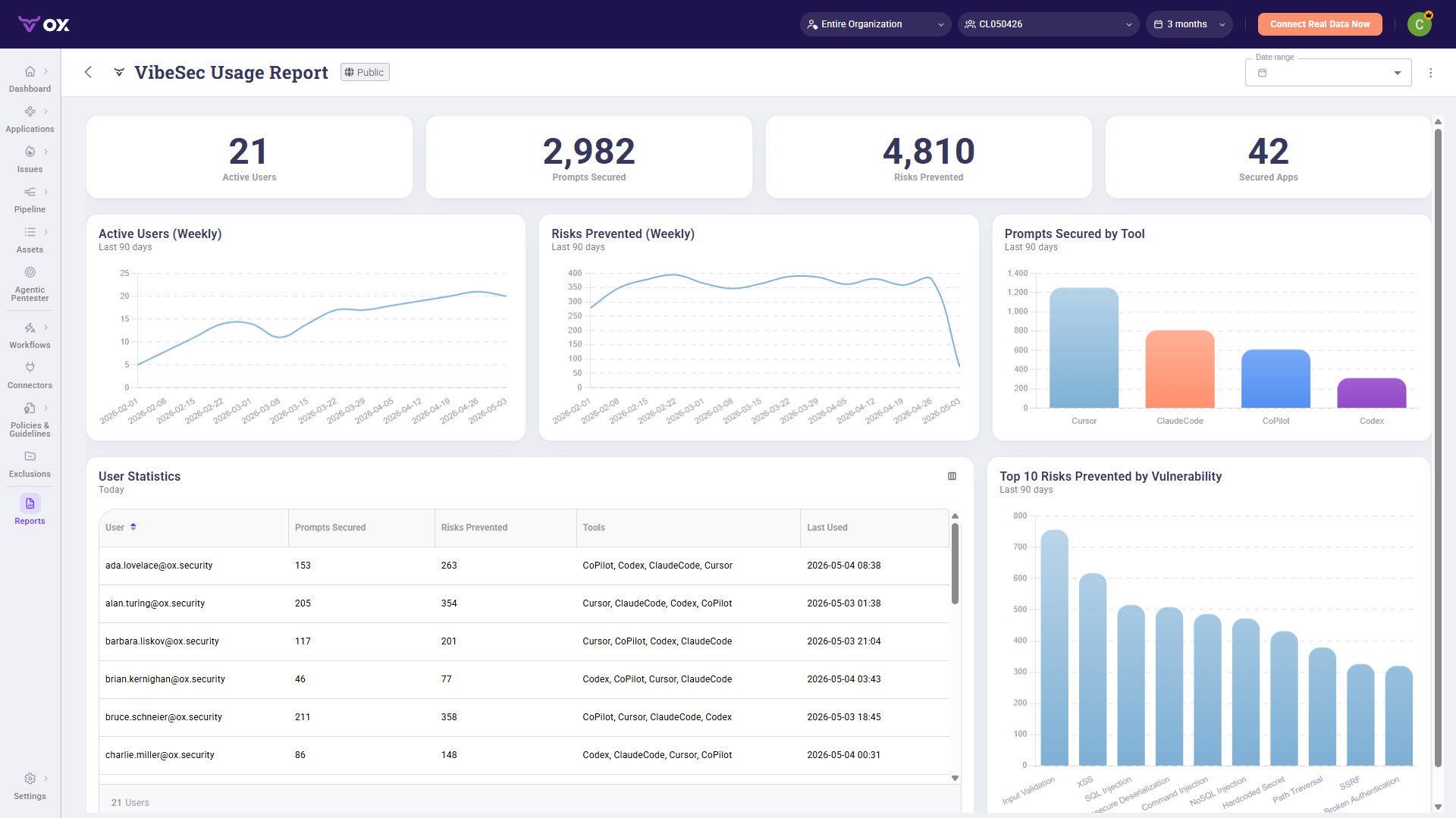
Raise the bar for changes that affect runtime. Govern what AI coding tools generate with VibeSec. Two-person review for workflow, IaC, and deployment changes. Make exceptions expensive and rare.
Outcome: hostile tweaks struggle to pass as housekeeping.
Assume compromise and practice recovery. Tabletop a CI compromise, a package poisoning, and a dev laptop breach. Rehearse rollback and artifact invalidation.
Outcome: when the day comes, you execute rather than improvise.
Train for intent detection. Teach teams to investigate small anomalies in repos and pipelines. Give runbooks that start with this looks boring.
Outcome: culture that questions plausible noise.
Invest in code to cloud mapping. If a finding cannot be traced from code to runtime and back, you will chase ghosts or miss real exposure.
Outcome: precise detection and prioritized response over alert fatigue.
The mindset shift
Stop treating tools as neutral. Treat them as potential operators. The next meaningful breach in your company will likely be boring. No ransom note. No flashing lights. Just an adversary using your automation to make small, plausible changes that achieve real objectives.
If your program has not changed in the last year, change it now. Lock down developer environments like production. Put policy ahead of automation. Kill static trust. Verify every artifact. Map code to cloud. Train your teams to see intent hiding in routine.
Do this, and you force attackers to get loud again. Fail, and you will host a quiet, profitable business you never approved, running right under your nose.