

Unauthorized Attacker Used Mixpanel To Gather Information About OpenAI Customers
Overview
OpenAI has suffered a data breach exposing user personal information, including Names, Emails, location data, operating system information and User ID or Organization ID.
The breach happened due to a vulnerable 3rd party component called Mixpanel, which is an analytics platform that tracks user behavior inside applications and websites.
While some private information was exposed, OpenAI emphasized that no prompts, chat information, API usage and passwords were exposed during the breach.
OX customers were not affected.
Who is affected
OpenAI users with a user account under http://platform.openai.com/ might have been impacted
Impact
User data that have been exfiltrated includes
- Names
- Approximate location based on browser features (city, state, country)
- Operating system and browser data
- Referring websites (sites that linked to OpenAI)
- User ID or Organization ID associated with the account
Potential Damage
While still not all details are available, this breach impacts possibly all OpenAI users, which are mostly ChatGPT users.
Recommended Actions
Immediate Actions:
- Be on the lookout for phishing attacks, as with more personal details attackers could create more sophisticated and personalized phishing emails.
- Enable multi-factor authentication for your OpenAI account.
- While no direct impact on API keys and Tokens, it is still recommended to rotate your tokens periodically to avoid data exposure and token misuse.
- Use browsers with privacy and security features, which block user trackers and data analytics such as Mixpanel.
- OpenAI also suggest to contact them via mixpanelincident@openai.com for more information about the current data breach incident
Technical Analysis
After finding out about the incident, Mixpanel was temporarily removed from OpenAI website, so we are still looking at ways to see what user data was collected and how it was misused.
We found other websites using Mixpanel that collect and track user information in order to show you how it works and what data can be collected by it.
This is a list of information we found that can be collected via Mixpanel, while most websites have their own custom analytics configurations, we found the following data being collected at various websites around the world, this data includes the following:
- Current page
- Operating system
- Browser name
- Referring website
- Device unique identifier
- Current page title
- Browser version
- Name
- Location information – Country
- Is adblock installed
- Screen width and height
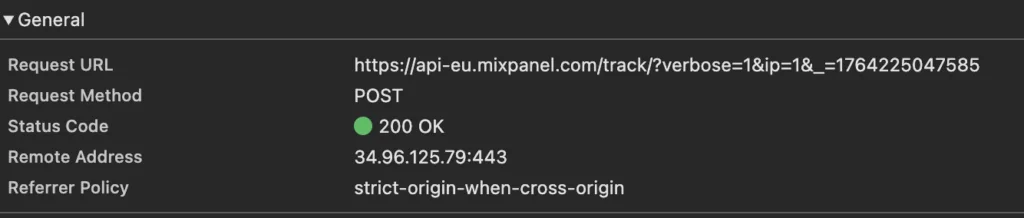
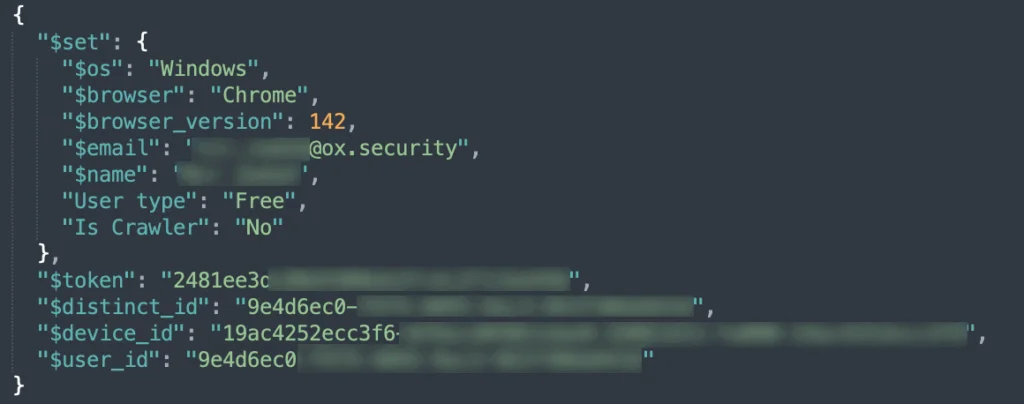
This is how an ordinary mixpanel request looks like inside the browser:
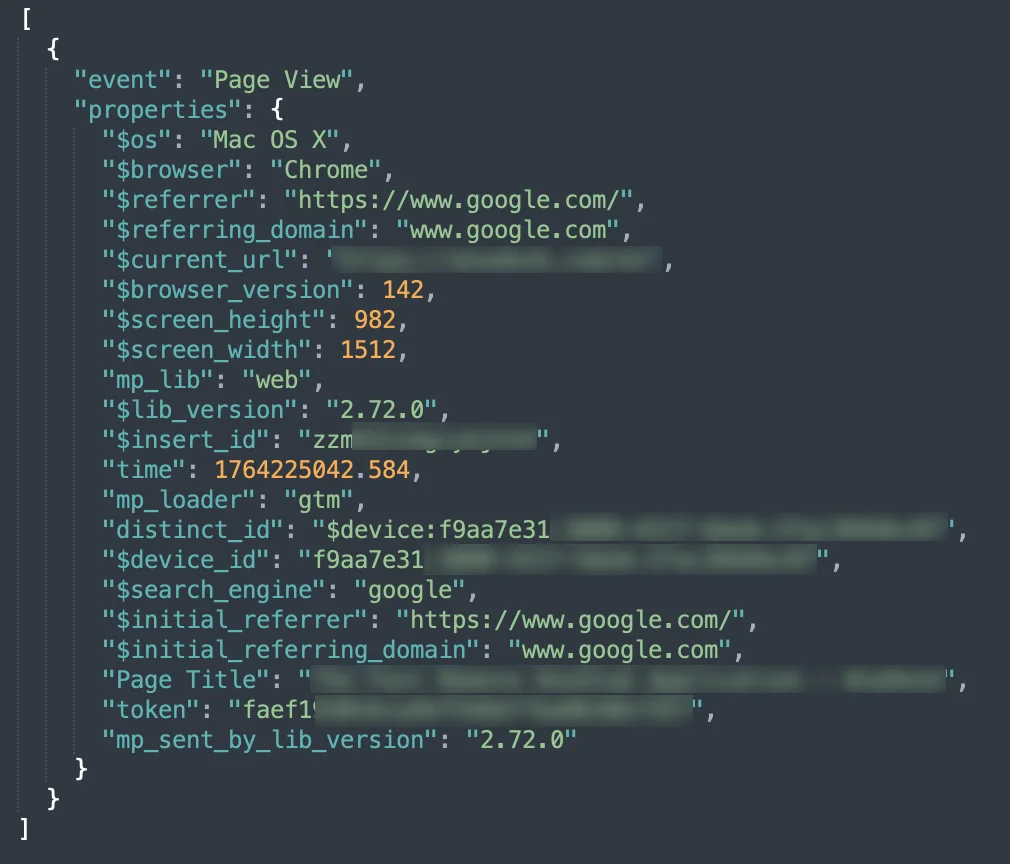
Data sent during a regular pageview includes
- Current page
- Operating system
- Browser name
- Referring website
- Device unique identifier
- Current page title
- Token
- Browser width and height
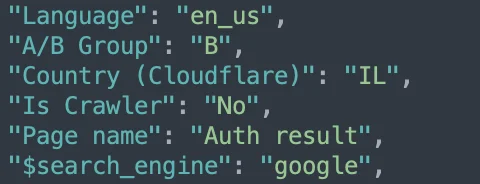
Authentication & set password screen data – includes the authentication method, such as using an email or Google login for creating an account
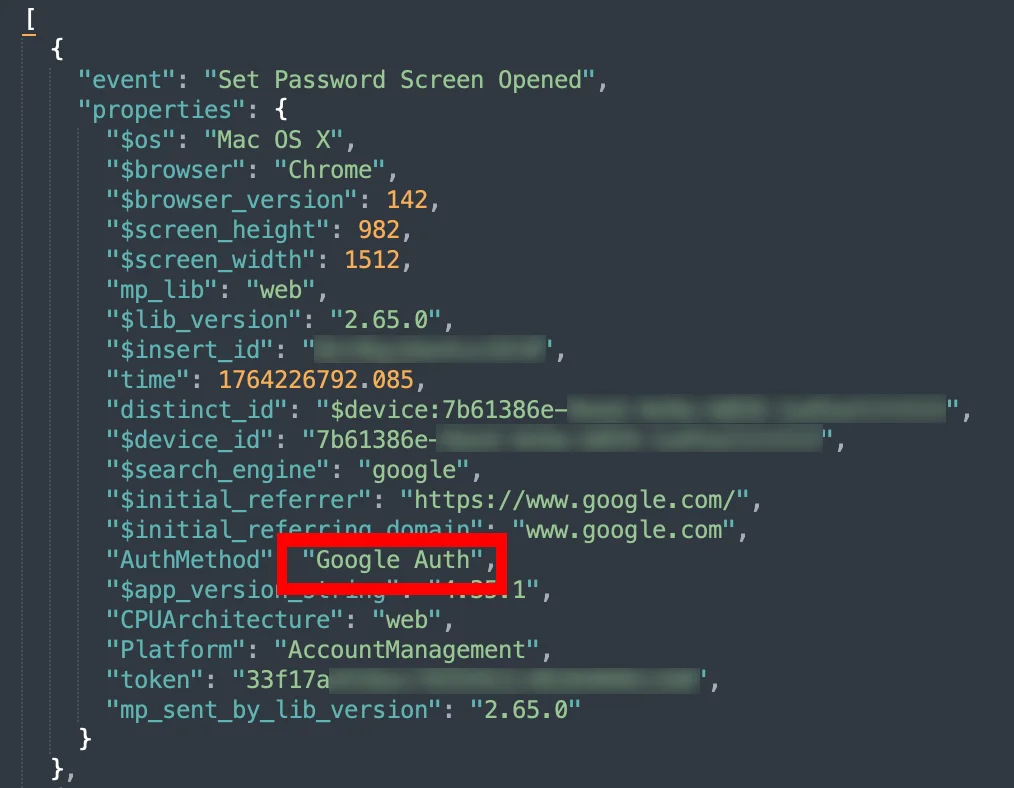
Information sent after sign up also includes
- Browser version
- Name
Country location information using Cloudflare
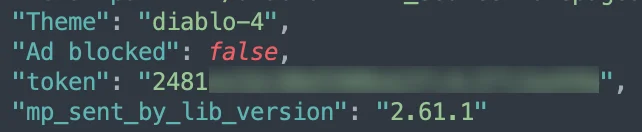
Is the browser has adblock installed
OpenAI Official Statement
OpenAI states that no chat content, prompts or other sensitive information was impacted – from the OpenAI website:
“Was any of my API data, prompts, or outputs affected?
- No. Chat content, prompts, responses, or API usage data were not impacted.
Were ChatGPT accounts affected by this?
- No. Users of ChatGPT and other products were not impacted.
Were OpenAI passwords, API keys, or payment information exposed?
- No. OpenAI passwords, API keys, payment information, government IDs, and account access credentials were not impacted. Additionally, we have confirmed that session tokens, authentication tokens, and other sensitive parameters for OpenAI services were not impacted.”
Conclusion
While there’s no immediate action required, you are still advised to enable 2FA, rotate your tokens and lookout for personalized phishing attempts as best practice for your security.
The Mixpanel breach is just one example of how external, untrusted code can hurt your organization, you can read about more supply chain attacks and how they impact your organization in here.