Scan your whole stack


From OX Research Newsroom






Latest version: v0.20.0
Pixelbolt pixel art toolkit was last scanned on 23 Nov 2026 at version 0.20.0. Risk score 0 of 100. No malicious behavior was detected.
| Version | Published | Status |
|---|---|---|
| 0.20.0 LATEST | 23 Nov 2026 | No rules fired |
| 0.19.0 | 20 Nov 2026 | No rules fired |
| 0.18.0 | 18 Nov 2026 | No rules fired |
| 0.16.0 | 13 Nov 2026 | Not shown |
| 0.15.0 | 10 Nov 2026 | Not shown |
Findings for v0.20.0. The score is a capped sum of the weights of the rules that fired — not CVSS, not exploitability, and not a probability. It is not comparable across packages with different scan coverage.
The score describes 0.20.0; other versions have their own rules, not their own score.
The publisher’s own README, as collected from the registry.
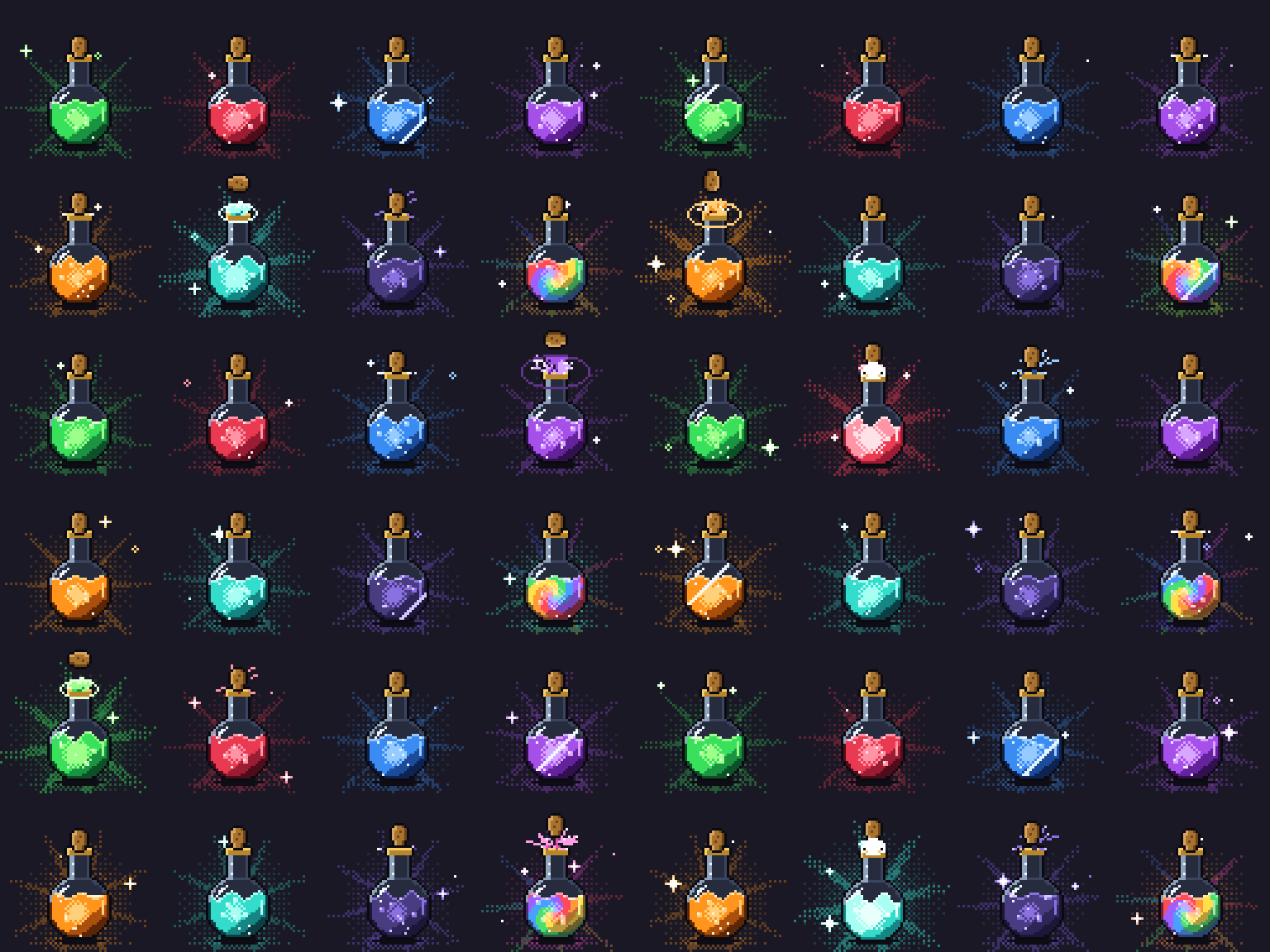
The gallery: 66 pixel art effects, sprites and scenes from Pixelbolt 0.11.0, all playing, each one click from its recipe in the playground.
Give Claude Code the pixel art skill in one line (Node.js 20 or newer):
npx -y pixelbolt@latest skill installFor Codex, Cursor and the other agents the open skills CLI supports: npx skills add skulitom/Pixelbolt. It copies the skill file alone, which then runs Pixelbolt through npx. The CLI reports installs to the skills.sh leaderboard unless DISABLE_TELEMETRY=1 is set. The skills CLI needs Node.js 22.20 or newer.
Pixel art and sprite animation that your AI agent can make, check and fix. Pixelbolt turns an editable JSON recipe into sprites, tiles, icons, effects and short animations, and exports them as PNG sprite sheets, texture atlases, animated PNGs, GIFs and frames for a video editor. Agents drive it through a local MCP server or the command line; you can open, play and edit the same recipe in a local browser studio.
Try it in your browser: render, export and share recipes with nothing installed.
Poke the pixels: blow on a live pixel-art campfire, pour honey and slime, then save a GIF or share a link that replays exactly what you did.
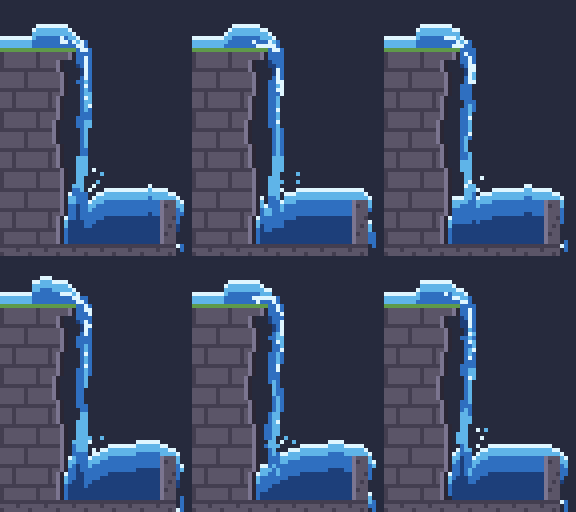
Effect guides: fire, explosions, smoke and steam, water, slime and honey, and magic, each with recipes that open in the playground. Using Unreal Engine? Import the sheets into Paper2D, with flipbooks (tested in 5.8.4). Need ground tiles? Free autotile tile sets for Godot 4 and Tiled, drawn from a terrain description (tested in Godot 4.7.2 and Tiled 1.12.2). Just want files? Six free pixel art waterfall sprite sheets: one simulated waterfall in stone, lava, slime and moonlit, with Godot 4 files.
Neon Voyage: a free browser game made with Pixelbolt. Every sprite, effect and letter is a recipe, and the rocket's exhaust is a live fluid simulation that bends as you steer.
English · 简体中文 · 日本語 · 한국어 · Español · Português · Русский




Fire, smoke, steam, explosions, magic, water, honey, slime and sand come from a real fluid simulation that runs on your own CPU in well under a second and bakes every frame into palette pixels you can edit, with seamless loops (fluid effects).
Try it. You need Node.js 20 or newer; there is nothing else to install, no API key and no network service:
git clone https://github.com/skulitom/Pixelbolt.git
cd Pixelbolt
node bin/pixelbolt.js preview --open
No Node.js? Download Pixelbolt Studio: a portable build for Windows, macOS and Linux that brings its own Node.js runtime. Unpack it and start the studio; nothing is installed (portable builds).
Give it to your agent. For Claude Code, one line installs the pixel art skill, with nothing to clone and no MCP server (Pixelbolt 0.9.2 or later):
npx -y pixelbolt@latest skill installIt writes ~/.claude/skills/pixelbolt-pixel-art/ (--project writes the current folder's .claude/skills/ instead, --dir any skills folder), runs every command it names through npx -y pixelbolt@<that version>, and never replaces a copy you have changed unless you add --force. For Pixelbolt's MCP tools too, install the Claude Code plugin instead: it brings the server and the same skill together. In Claude Desktop, download pixelbolt.mcpb from the latest release and open it (or install it from file under Settings → Extensions), choose a workspace folder for recipes and artwork, then ask the agent to call pixel_help. For Codex, Cursor and other MCP clients, see Connect an agent through MCP. Pixelbolt is in the official MCP Registry as io.github.skulitom/pixelbolt.
Pixelbolt was called PixelForge until 0.8.0. The pixelforge command still works as an alias, and recipe files keep their pixelforge-* format tags, so existing files and agent setups keep working.
Gallery · Fluid effects · Quick start · Agent setup · MCP server · Portable builds · Recipe reference · Contributing · Sibling tools
Write a JSON recipe with palettes, text grids, reusable symbols and drawing operations. Get transparent PNGs, sprite sheets, animated PNGs, GIFs for sharing, numbered frames for video editors, and the metadata and player needed to use them. Inspect and edit the recipe in a local browser studio.
Zero runtime dependencies. No build step, API key, image model, network service or native graphics library. Requires Node.js 20 or newer. Works from a checkout on Windows, macOS and Linux.
Author limbs as bones, bodies as masses, and faces or props as grids. Relative joints and two-bone reach keep attachments together; idle, walk, run, jump, attack and hurt templates expand into editable poses. Review planted feet, ground contact and loop joins in the CLI, MCP or studio. Small grid parts (boots, hands, blades) turn best as hand-drawn views; --draft-views drafts them by pixel-art rules for you to correct and paste. The output uses the existing sprite player.
node bin/pixelbolt.js preview character.poses.json
node bin/pixelbolt.js compile character.poses.json --expand --out character-edit.poses.json
node bin/pixelbolt.js compile character.poses.json --draft-views boot:15,345,hand:45 --preview drafts.png
node bin/pixelbolt.js inspect character.poses.json --motion run --speed 48
Pose and motion reference
Looping interference and portal interiors combine waves before colouring them, leaving cancellation gaps between bright bands. Two editable presets bake to ordinary sprite frames and appear in the studio's sample list. The game only plays the exported animation.
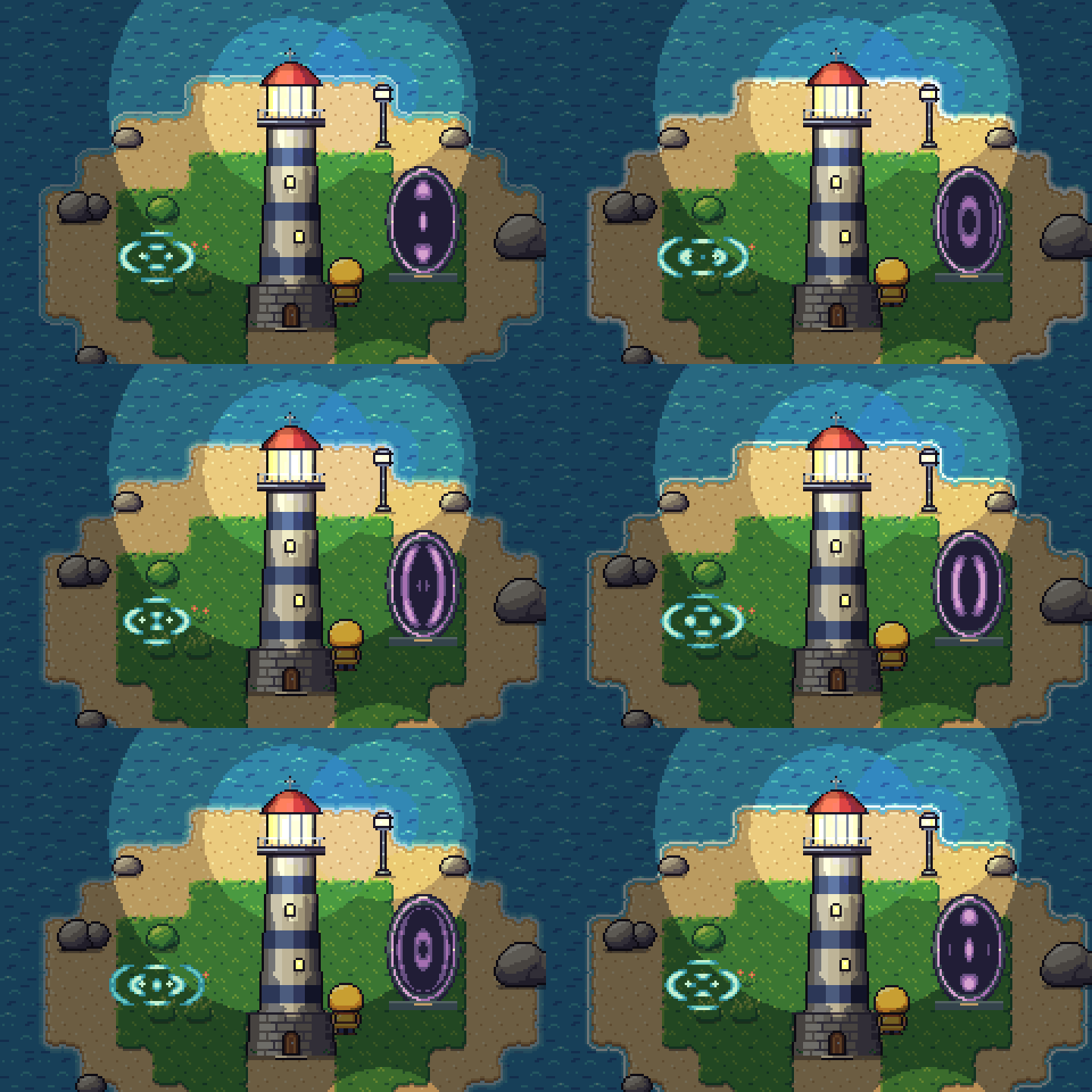
node bin/pixelbolt.js preview examples/portal.wave.json --open
node bin/pixelbolt.js compile examples/portal.wave.json --out output/portal.json
node bin/pixelbolt.js render output/portal.json --out output/portal-assets
Wave controls and limits · Scene comparison and review. Loops only; masks shape the artwork without simulating reflection or collision.
Play Tetherbore, a free one-thumb mining game for the phone browser. Every sprite, tile set and effect in it, across all of its grounds, creatures and bosses, is made with Pixelbolt from recipes in its repository.
An AI agent drew these with Pixelbolt. Its scripts write the recipes, particle sources and scenes; Pixelbolt renders every sprite to a transparent sheet with an atlas, plays each 240×135 room as a scene and writes the GIFs. They are shown at 3×.
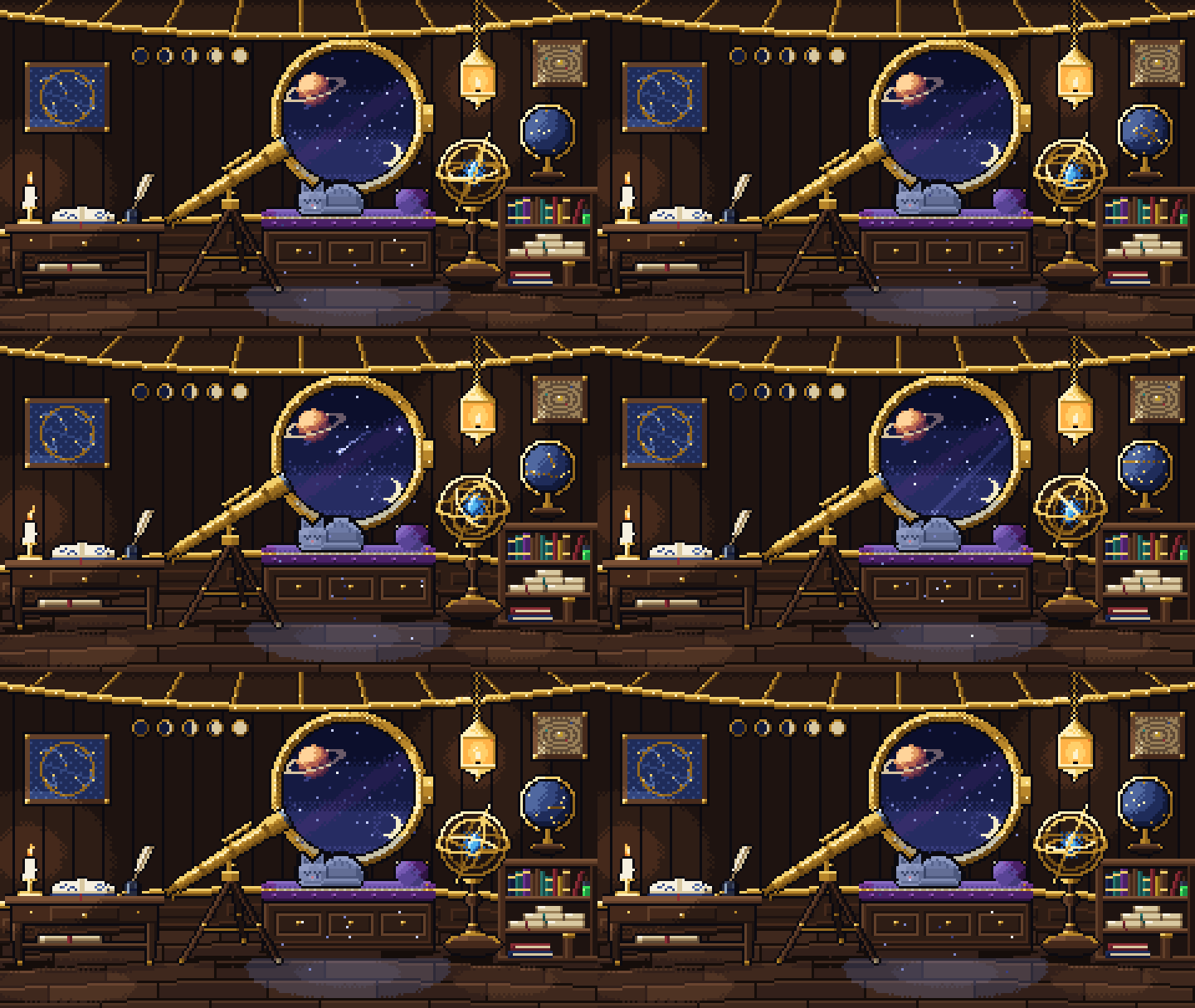
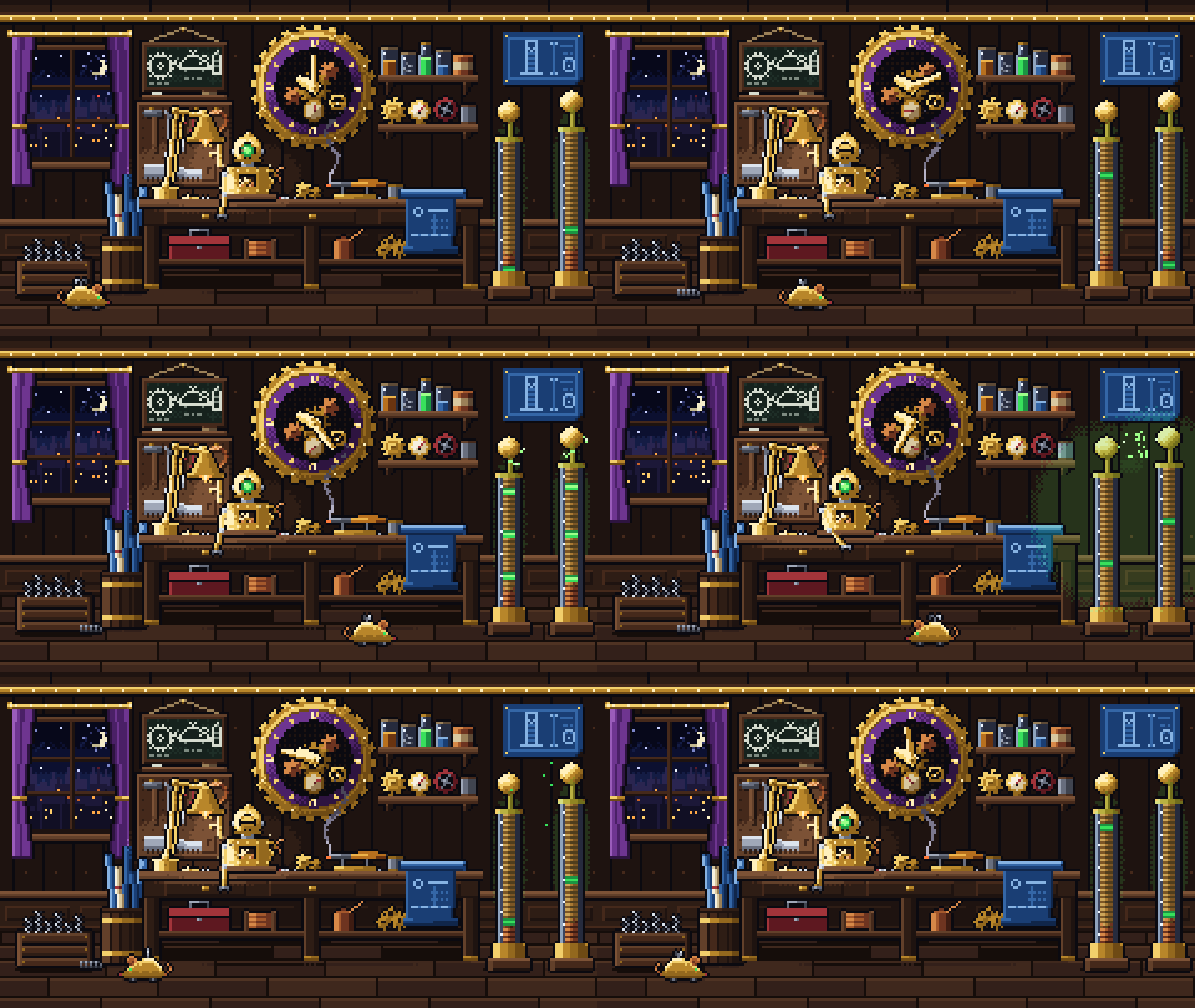

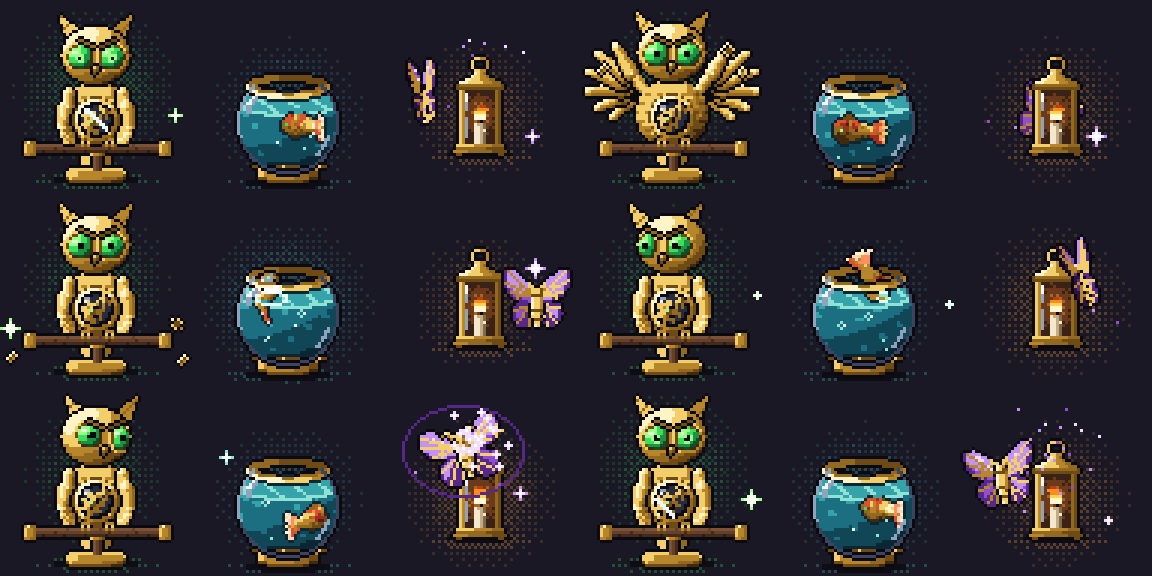
Two more rooms and how these were made
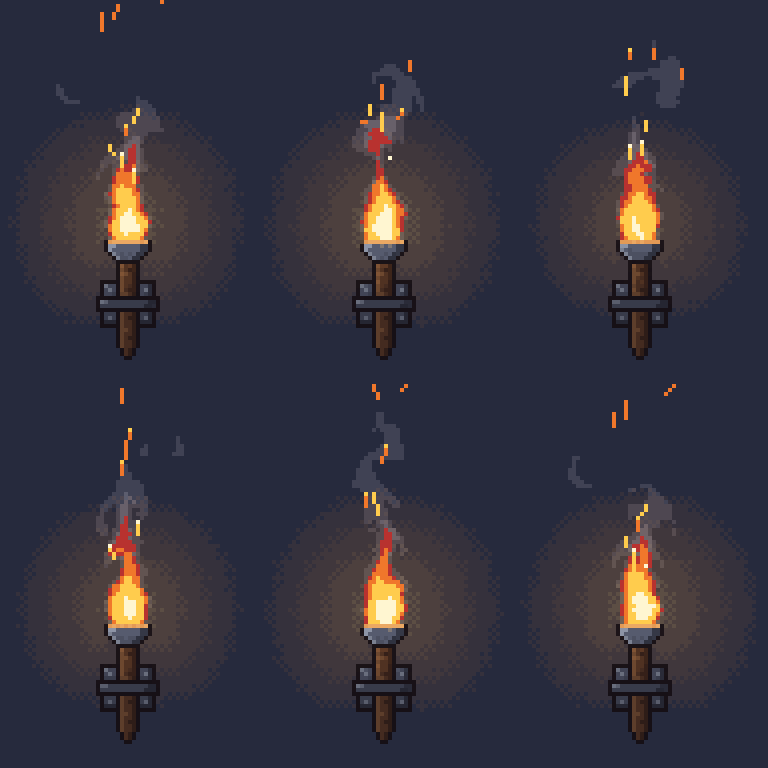
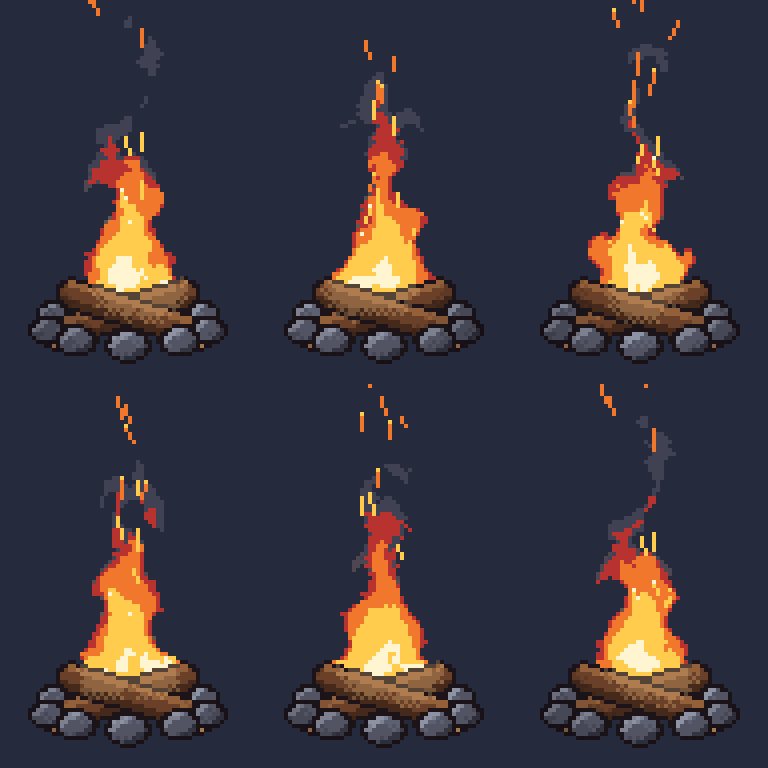
A pixelforge-fluid source runs a small, deterministic fluid simulation and compiles it into an ordinary recipe of palette grids: gases with buoyancy, swirling vorticity, cooling and dissipation, and liquids as FLIP particles on the same grid, thin as water, thick as honey (a stream that never breaks, a mound that slowly sinks) or firm as slime (a blob that squashes, springs back and holds its shape). Look layers map density, temperature, speed and depth onto your palette ramps through ordered dither, so no colour outside the palette can appear, and looping effects close their seam. Each preset below compiles in well under a second on a laptop CPU, with no GPU and no model calls. Shown at 4×.










Find threats in your stack.
OX Radar can check high-priority threats, like critical package CVEs, against your context.
Each incident is marked Detected or Not Detected with a remediation plan and proof all tracked in the Response Center.
The probe returned only these fields for this server — auth requirement, protocol and tool list weren’t observed, so they’re not shown (never guessed).
The publisher’s own links, as the registry reports them. These are not sources for the assessment on this page.