
Scan your whole stack


From OX Research Newsroom






Are you using @korial29/tiny-fps?
Find out what’s in your code.
Scan your apps free in minutes (opens in a new tab) Read the latest findings
Latest version: v1.42.0
@korial29/tiny-fps was last scanned on 29 Nov 2026 at version 1.42.0. Risk score 0 of 100. No malicious behavior was detected.
| Version | Published | Status |
|---|---|---|
| 1.42.0 LATEST | 29 Nov 2026 | No rules fired |
| 1.41.0 | 29 Nov 2026 | No rules fired |
| 1.40.0 | 29 Nov 2026 | No rules fired |
| 1.38.0 | 29 Nov 2026 | Not shown |
| 1.37.2 | 29 Nov 2026 | Not shown |
Findings for v1.42.0. The score is a capped sum of the weights of the rules that fired — not CVSS, not exploitability, and not a probability. It is not comparable across packages with different scan coverage.
The score describes 1.42.0; other versions have their own rules, not their own score.
The publisher’s own README, as collected from the registry.






▶ Play it now: https://korial29.github.io/tiny-fps/
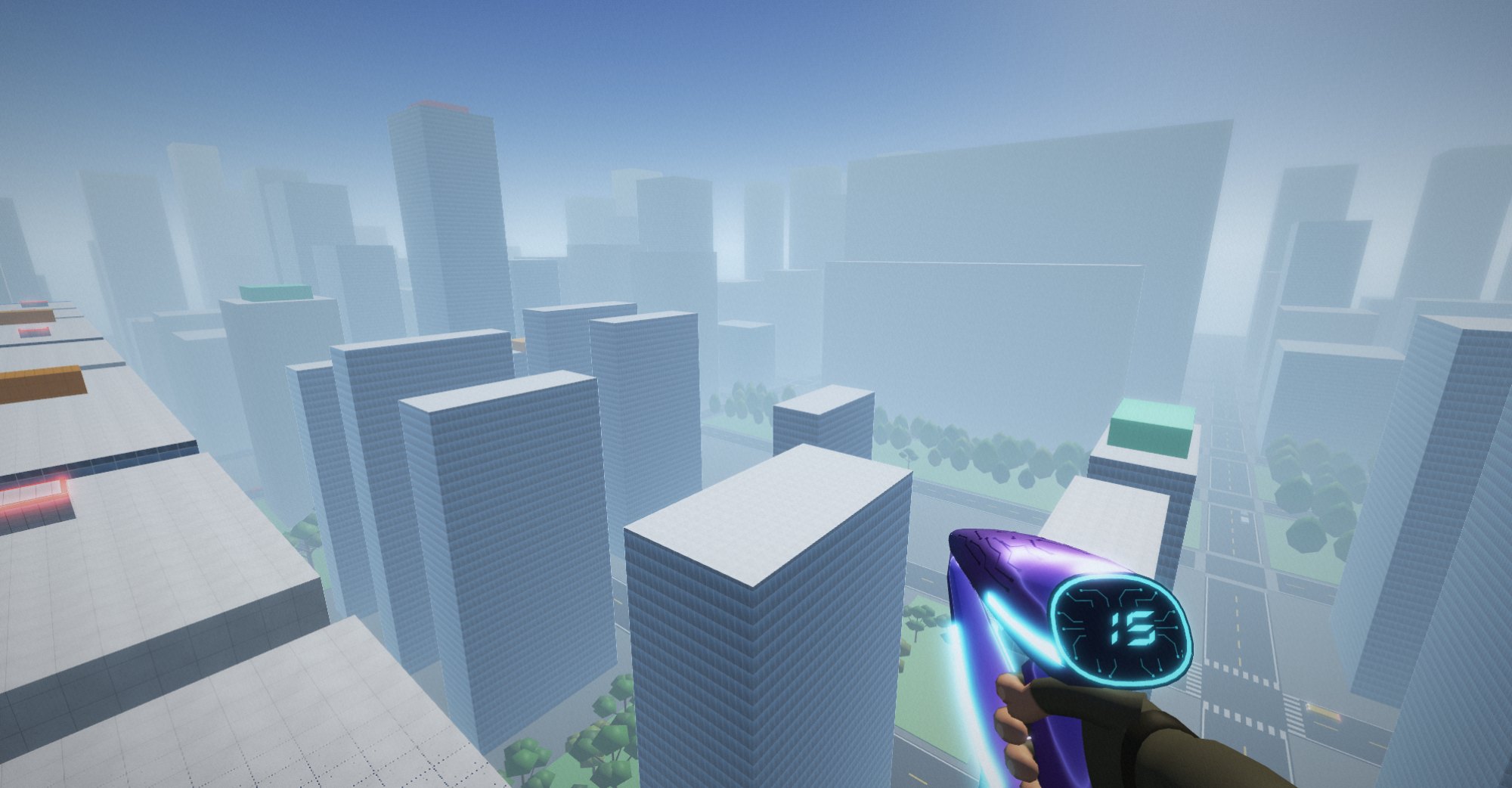
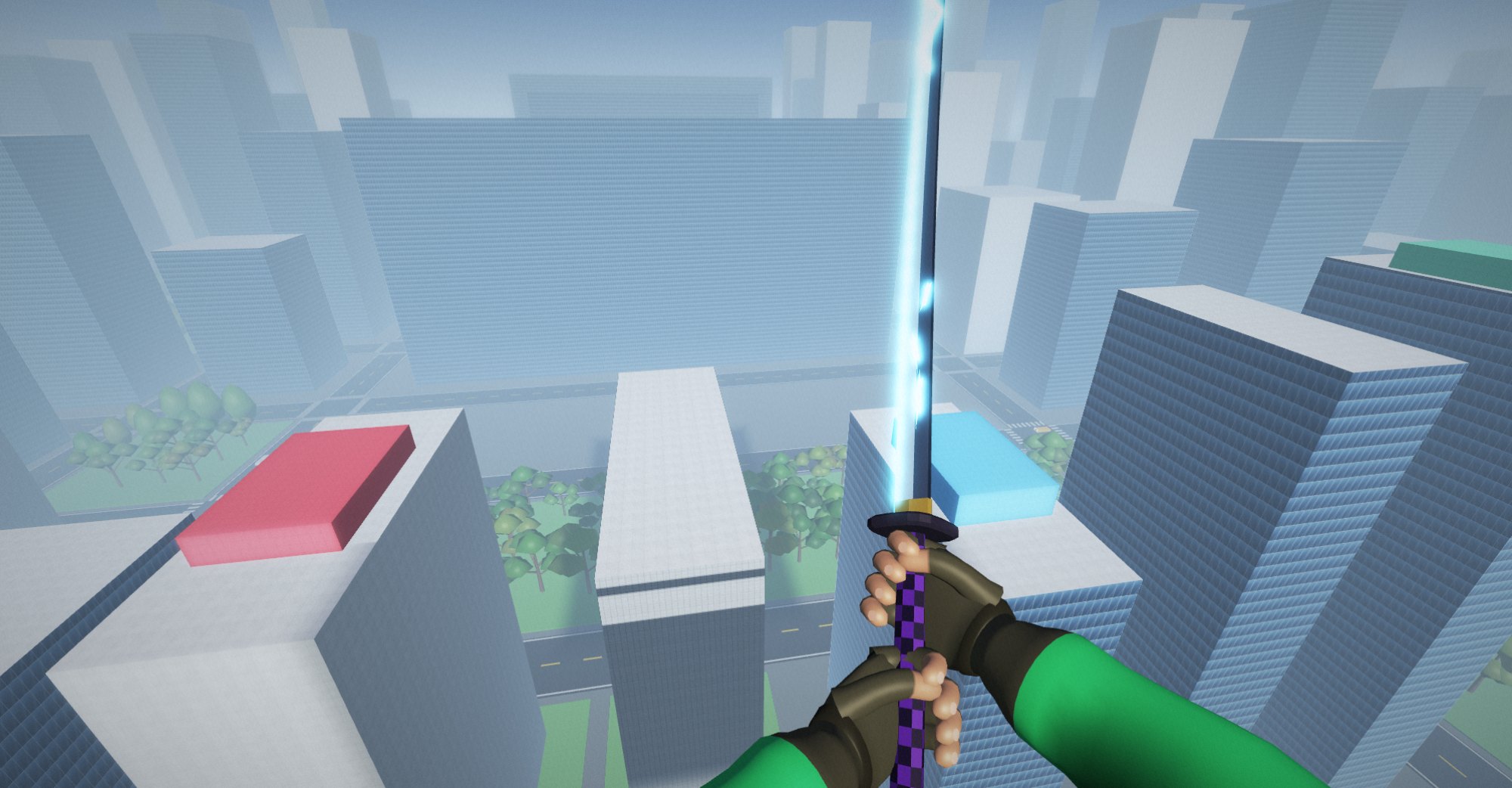
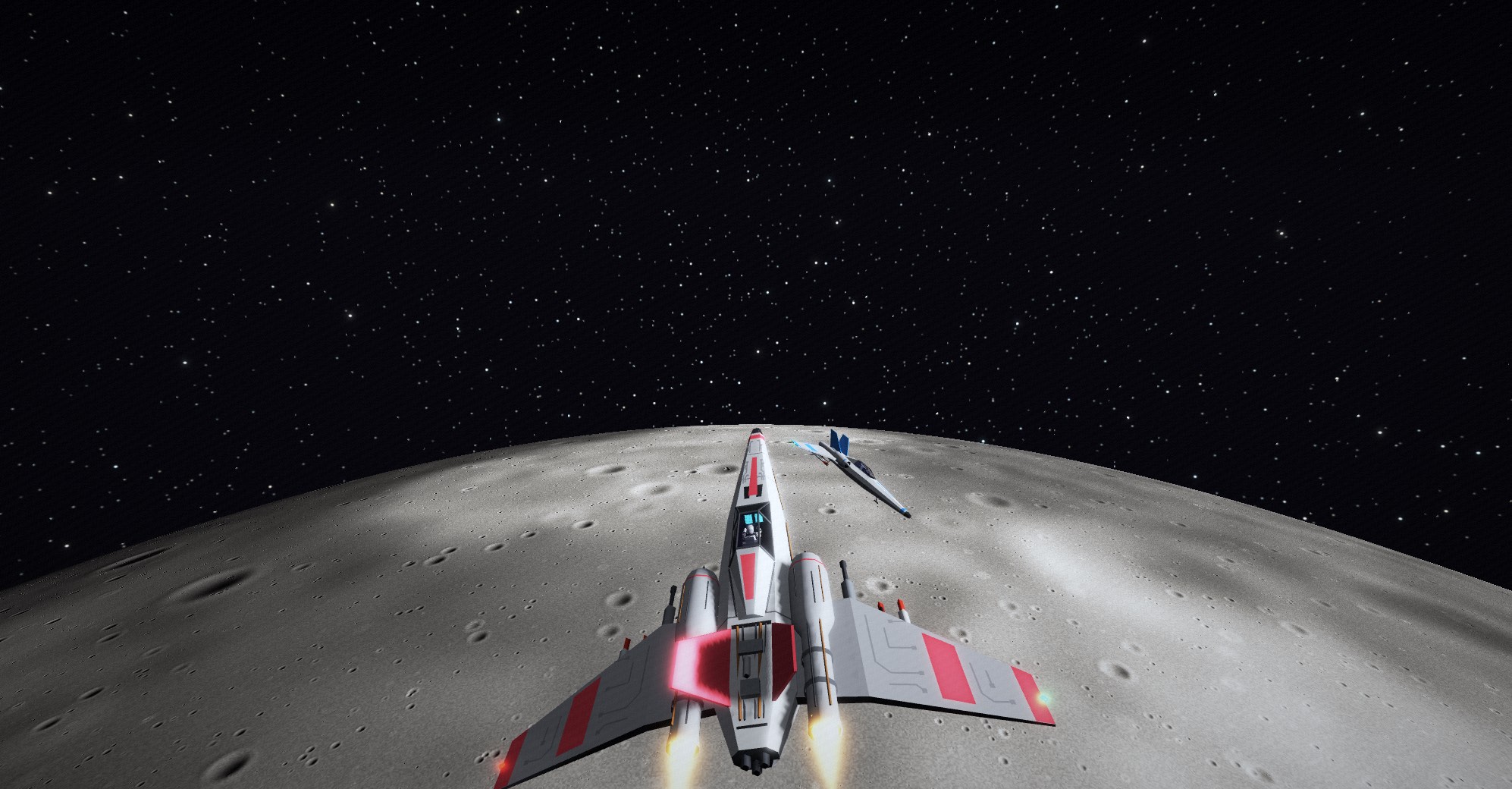
A tiny multiplayer first-person game for the browser, written in TypeScript with raw WebGL2, no game library and no runtime dependency. It is becoming an open-air capture-the-flag between two teams of players on rooftops, inspired by Mirror's Edge: parkour movement and no CPU enemies. Today two teams play capture the flag on Highline, a symmetric rooftop map, on Tranquility, a moon base in a crater, or on Landfall, a Caribbean beach with a crashed ship across it, with the parkour moves, a tackle, a plasma gun, an electric katana, a rail gun and a laser rifle, and five classes to play: the marine, the ninja, the astronaut, the xenomorph and the Hunter (docs/PLAN.md, docs/WEAPON.md, docs/CHARACTERS.md, docs/HUNTER.md). Everything is generated in code: geometry, textures, lights. There are no images, fonts or assets to serve.
It started as a co-op shooter inspired by carlini's Yet Another Doom Clone (js13k 2019). Only the ideas were reused, not the code. The renderer, the netcode and the sound come from that first game.
 |
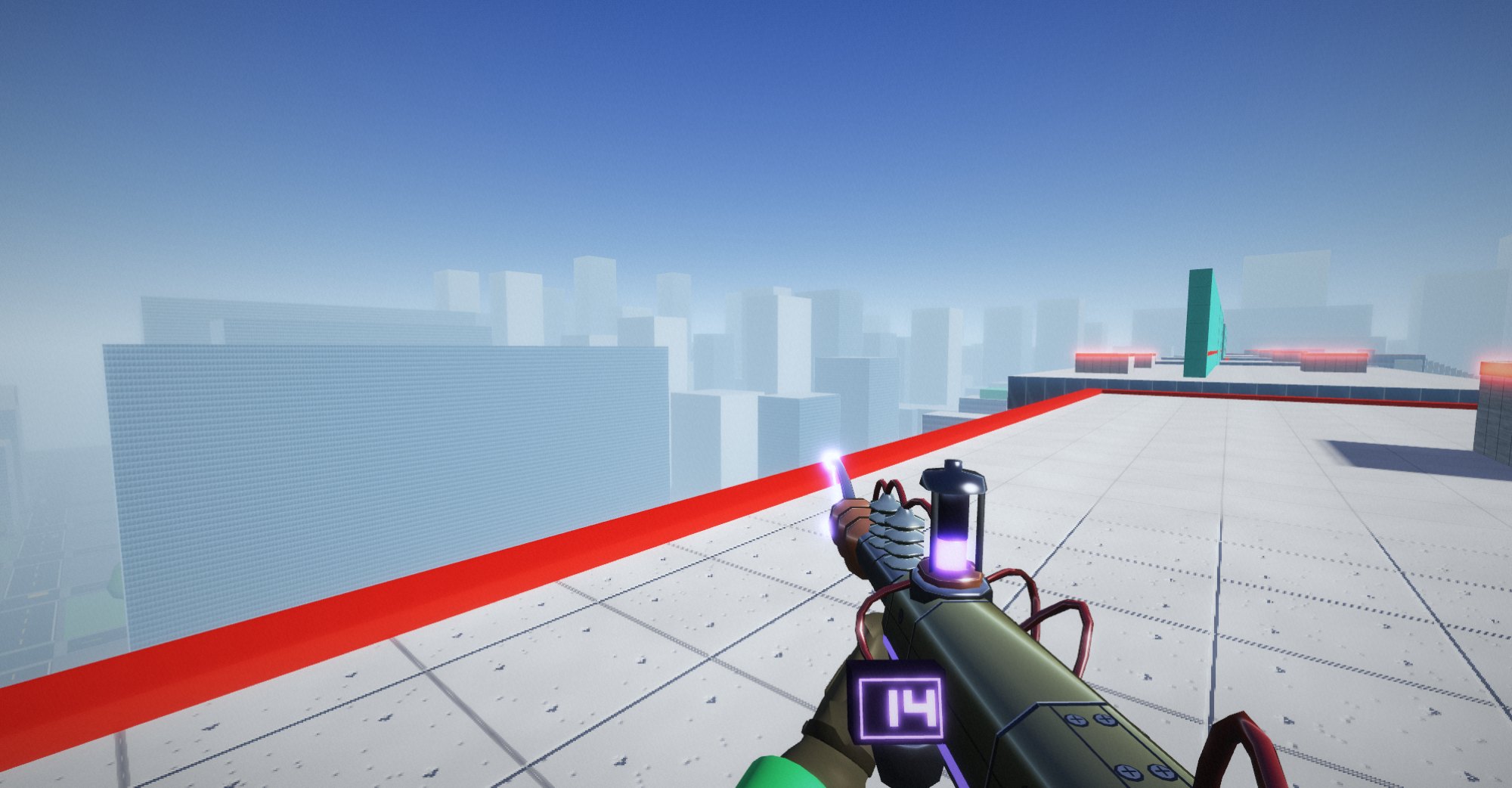 |
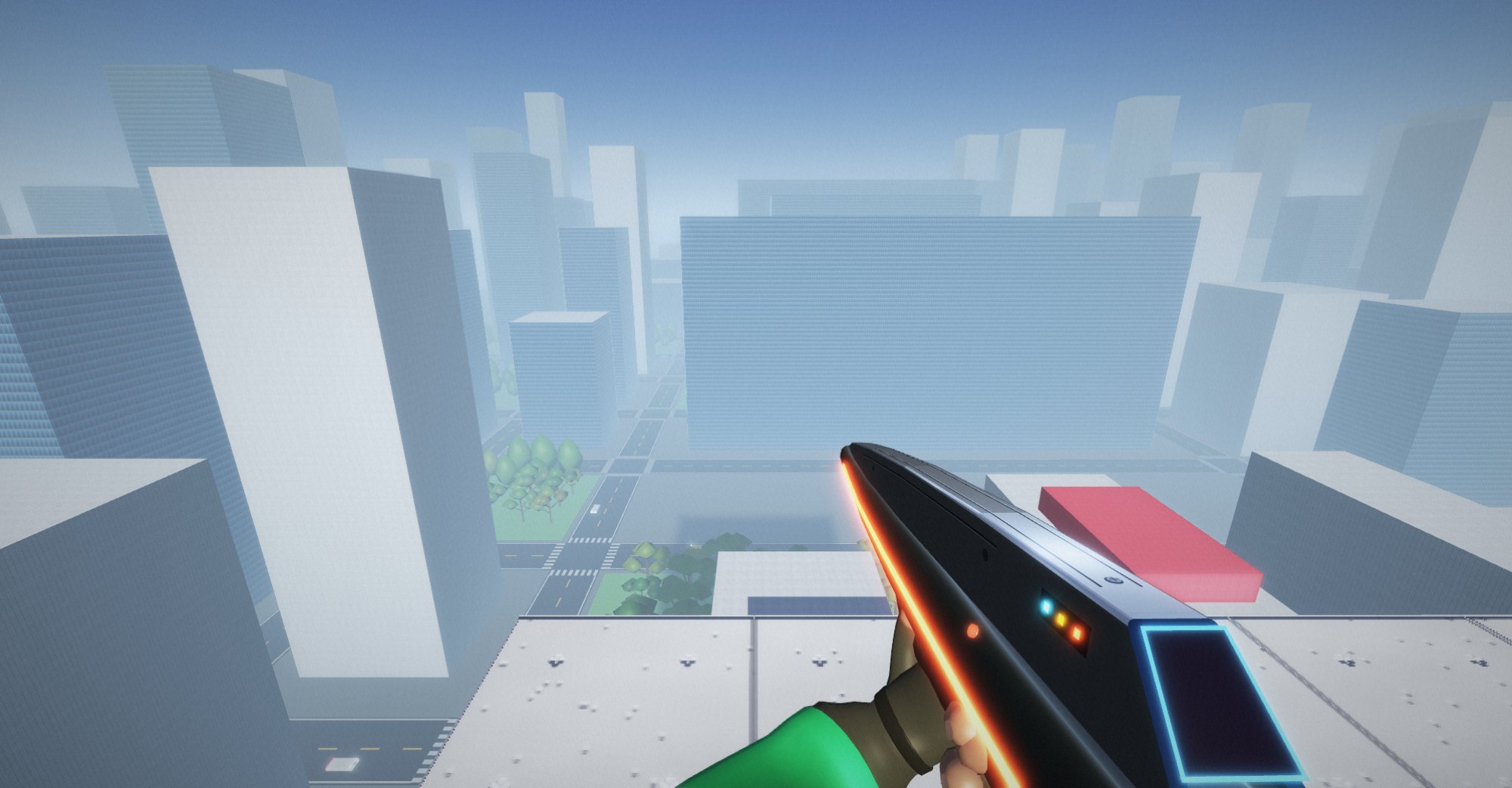
tinyFps() mounts the game into any element, inside its own Shadow DOM: React, Vue, Angular, Svelte or a plain page, nothing leaks in or out. The game draws everything on one WebGL2 canvas that fills the container.
| Entry | What it is | Size (gzip) |
|---|---|---|
@korial29/tiny-fps |
The game client: rendering, lights and shadows, input, prediction, HUD | ~275 KB |
@korial29/tiny-fps/local |
Same-browser multiplayer, no server: the host runs in a tab | ~58 KB |
@korial29/tiny-fps/server |
Node WebSocket server (needs ws) |
Node only |
@korial29/tiny-fps/room |
The authoritative Room alone, no ws: bring your own transport |
Node only |
The numbers are the budget of each entry, plus chunks loaded on demand (maps, voices). CI checks them on every pull request (npm run size, limits in scripts/size.mjs).
https://korial29.github.io/tiny-fps/
tiny-fps-server.npm install @korial29/tiny-fpsThe unscoped name tiny-fps belongs to another package. The server entry also needs ws, an optional peer dependency:
npm install wsimport { tinyFps } from '@korial29/tiny-fps';
import { localSocket } from '@korial29/tiny-fps/local';
const game = tinyFps(document.getElementById('game')!, {
name: 'Ana',
socket: localSocket('my-room'),
});Every tab that opens localSocket('my-room') joins the same game over a BroadcastChannel. One tab hosts the game, elected with navigator.locks; when it closes, another tab takes over with a fresh game. navigator.locks needs a secure context: on http:// from a LAN address, each tab plays alone.
// server.ts (Node)
import { serve } from '@korial29/tiny-fps/server';

const stop = serve({ port: 8787 }); // or serve({ server: existingHttpServer })
// in the browser
import { tinyFps } from '@korial29/tiny-fps';
tinyFps(document.getElementById('game')!, {
name: 'Ana',
url: 'wss://your-host.example/my-room',
});Each URL path is its own room: /my-room and /other are two separate games. A ready-made server ships as a command:
PORT=8787 npx tiny-fps-serverMAP=tranquility or MAP=landfall starts a new room on the moon map or the beach (the default is highline). In local mode the tab that hosts the room starts it on its client's map option, which the demo's Map menu sets.
BOTS=8 fills each room with bots up to 8 players while at least one person plays: the bots even out the teams, and each one leaves when a person joins. In local mode it is the bots rule of localSocket(), which the demo's Bots menu sets. BOT_SKILL (0 to 7, 4 when unset) sets how well they aim, react and dodge, as UT2004's bot skill does: the botSkill rule, which the demo's Bot level menu sets in local mode (Novice to Godlike). A bot takes the gun at its rack, runs the routes of Highline (jumps, dashes and wall-runs included) or the lanes of the Moon, takes the flag, chases the one who has its own and shoots the enemies it sees.
The player in the room the longest is its host; when they leave, the next oldest player takes over. Press Esc in a game: the maps sit in the Game panel of the title screen. The host's are buttons, and the one they pick is played from the next match on, never in the middle of one (or from the next join when the room empties). Everyone else sees the maps read-only, with the host's name and pick, and the end screen says the map of the next match. The server checks that the pick comes from the host: anyone else's is ignored.
The client follows the room: when the roster names another map, it builds that map on the same connection, so players keep their id, their team and the host role. The map option is only the map built until the roster comes.
The canvas fills its container, at any size and ratio. Give the container a size:
#game {
  width: 100vw;
  height: 100dvh;
}tinyFps(container, options)Mounts the game and joins. Returns { on, players, destroy }.
| Option | Type | Description |
|---|---|---|
name |
string |
Player name shown above your head (16 characters max). A taken name gets a suffix (Bob 2). |
url |
string |
WebSocket URL, room in the path. Ignored when socket is given. |
socket |
SocketLike |
Any WebSocket-like object, e.g. localSocket('room'). |
cast |
boolean |
Opens on the character screen; the map loads once its Start is pressed. |
voices |
boolean |
false: no announcer and no players' voices, and their sprites (about 190 KB) are never downloaded. |
Without WebGL2 the game stays connected and says so on screen.
on(event, callback)| Event | When |
|---|---|
open |
Connected. |
close |
Disconnected. |
roster |
A player joined or left; read the list with players(). |
game.on('roster', () => console.log(game.players().map(p => p.name)));players()Everyone in the room, you included: { id, name, team, color }[]. team is 0 (red) or 1 (blue), and color is the team's CSS colour.
destroy()Leaves the game, stops rendering, releases the pointer and removes the game's DOM. Safe to call twice.
localSocket(room, rules?): @korial29/tiny-fps/localA same-browser socket for tinyFps. rules apply to the game the tab hosts, so pass the same ones from every tab.
serve({ port | server, rules? }): @korial29/tiny-fps/serverStarts the WebSocket server, one room per URL path, and returns an async stop(). rules apply to every room.
Room: @korial29/tiny-fps/roomThe host without the WebSocket server, to run behind a transport you already have (Socket.io, a worker…). Each peer is a Conn ({ send(data) }): pass it to connect(), its frames to receive() (text as a string, binary as an ArrayBuffer of exactly its bytes) and call disconnect() when it leaves. start() runs the clock, stop() ends it. MAPS lists the maps, each with its name.
import { Room } from '@korial29/tiny-fps/room';

const room = new Room({ map: 'tranquility', lockMap: true });
room.start();
io.on('connection', socket => {
  // Snapshots may be lost (the next one replaces them), the texts (join, roster) may not.
  const conn = {
    send: (data: string | ArrayBuffer) =>
      typeof data === 'string' ? socket.emit('fps', data) : socket.volatile.emit('fps', data),
  };
  room.connect(conn);
  socket.on('fps', data => room.receive(conn, data));
  socket.on('disconnect', () => room.disconnect(conn));
});
On the client, a SocketLike that relays the same events goes into tinyFps(el, { socket }).
SocketLikeThe subset of WebSocket the client uses: binaryType, onopen, onclose, onmessage, send(data) and close(). A real WebSocket and localSocket() both fit, and so does a relay over a transport you already have. Text frames are JSON, and binary frames (inputs, snapshots) must arrive as an ArrayBuffer of exactly their bytes.
| Rule | Default | Description |
|---|---|---|
maxPlayers |
16 |
Players in a room; the next ones are told the room is full. |
scoreLimit |
3 |
Captures that end a match at once. |
timeLimit |
480 |
Seconds a match lasts. The team with more captures wins, a level score is a draw. |
map |
'highline' |
The map's key: highline, tranquility or landfall. |
lockMap |
false |
The room plays map for its whole life: the host's picks are ignored. |
| Action | Keys |
|---|---|
| Look | Mouse (click the game to lock the pointer, Esc to release it) |
| Move | WASD, or the arrow keys |
| Sprint | Shift, with forward: the top speed builds over about a second |
| Jump | Space. Press it again in the air for a second jump |
| Dash | A move key pressed twice quickly, or Q (A on AZERTY): a short burst, once a second |
| Crouch | C. At sprint speed it is a slide, low enough to go under a 1.2 m slot |
| Fire | Left button: click to fire the gun, hold to charge it; click to cut with the katana |
| Weapon | 1 the fists, 2 the katana, 3 the gun, 4 the laser rifle, 5 the rail gun, or the wheel |
| Reload | R: a new battery in the gun or the rifle, a new capsule on the rail gun (also dry) |
| Use | E: get in and out of a rover or a ship |
| Grenade | G: the laser rifle's grenade (the xenomorph's tail special) |
| Vision | V: the Hunter's thermal and xenomorph-detecting visions |
| Swim | In the sea on Landfall: forward and back dive and climb where you look |
| Mute | M (remembered) |
Facing a ledge between 1.2 and 2.4 m above your feet in the air, you take hold of it: forward or Space climbs, back or C lets go, and Space looking away jumps off it. Jumping while running next to a wall, up to half a metre away and not more than about 50 degrees off it, starts a wall-run along its side (about a second, hold forward, Space kicks off). Ctrl is not used, since Ctrl+W closes the tab.
The katana's cut follows the move key held: left or right cuts down on a diagonal from that side, forward thrusts, otherwise it slashes down. Held, the button stops the cut at the top of its wind-up and charges it; let go after a quarter of a second, the rest of the cut is slower, wider, 2 health harder and half a metre longer. A double click turns the cut into its special: the thrust into a lunge (it spends the dash), the cut across into a heavy diagonal cut that throws an arc of energy 15 m ahead (it hurts and knocks the foe down, and a carrier drops the flag), the slash into a leap and a blow down before landing. Two cuts that strike at the same time face to face lock the blades, as in Jedi Outcast: both click as fast as they can, and the first 8 clicks ahead throws the other back for 3 health; holding a side or back key for 0.4 s steps out of the lock.
Keys are read by their position (KeyboardEvent.code), so on an AZERTY keyboard WASD is ZQSD with nothing to set.
The game is the movement and a capture the flag on top of it, with a tackle, a gun and a katana to stop a carrier (docs/PLAN.md, docs/WEAPON.md).
Find threats in your stack.
OX Radar can check high-priority threats, like critical package CVEs, against your context.
Each incident is marked Detected or Not Detected with a remediation plan and proof all tracked in the Response Center.
The probe returned only these fields for this server — auth requirement, protocol and tool list weren’t observed, so they’re not shown (never guessed).
The publisher’s own links, as the registry reports them. These are not sources for the assessment on this page.
Read the latest findings